10 WhatsApp Bulk Message Sender Tools for High-Volume Messaging
You're sending hundreds of WhatsApp messages a week and juggling separate tabs for chats, broadcasts, and contact lists. That manual workflow is eating your team's hours and delaying every campaign you launch.
This guide ranks ten bulk message sender tools by their API stability, automation depth, and pricing transparency. You'll get concrete selection criteria for high-volume teams, plus a clear #1 pick that handles 25M+ daily messages as an Official Meta Partner.
What to Look For in WhatsApp Bulk Message Sender Tools
Choosing the right WhatsApp bulk sender starts with understanding the non-negotiables: official API access, deliverability, and compliance. The first decision you face is whether the tool uses the official WhatsApp Business API or an unofficial workaround. Unofficial tools that rely on WhatsApp Web automation carry a real risk of account bans, especially when you push high-volume messaging through them.
The official WhatsApp API is built for businesses and supports approved message templates. It is the only route that keeps your number safe while scaling your WhatsApp campaign. If a tool cannot explain its API status clearly, treat that as a red flag and move on to a vendor that can.
Message throughput and rate limits determine how fast your bulk WhatsApp sender can actually deliver. Some tools cap you at a few hundred messages per day, while others handle tens of thousands. Match the tool's capacity to your realistic sending volume, not just your biggest campaign day.
Ask about daily warm-up limits and how the vendor handles throttling. A tool that lets you gradually increase sending volume protects your reputation and keeps your messages out of spam folders. High-volume messaging without proper rate management is a fast path to poor deliverability.
Personalization separates effective WhatsApp marketing from mass spam. Look for tools that support template variables like first names, order numbers, or custom links. Media attachments matter just as much as text, so confirm the tool supports images, video, and PDF sending through the WhatsApp API.
Without media support, you cannot send product catalogs, invoices, or promotional flyers. Rich media messages consistently outperform plain text in engagement, making this a core feature rather than a nice extra.
Message scheduling and drip campaigns let you automate follow-ups without manual work. A good tool should let you queue messages for specific times and build multi-step sequences. Drip campaigns are essential for lead nurturing, where you send a welcome message, then a follow-up, then an offer days later.
Look for timezone-based scheduling so your WhatsApp campaign lands during business hours. Broadcast lists and click-to-chat links give you flexible ways to reach contacts, whether you are sending one-way announcements or starting conversations.
Contact management starts with CSV import. A tool that supports CSV import saves hours of manual entry and lets you upload thousands of contacts in minutes. Beyond import, you need list segmentation to group contacts by behavior, location, or purchase history.
Phone number validation is another critical feature. Invalid numbers waste your message quota and hurt deliverability metrics, so choose a tool that cleans your lists before sending.
Analytics should cover delivery reports, read receipts, and message status at minimum. You want to know how many messages reached phones, how many were read, and how many bounced. Without delivery reports, you are running your bulk messaging blind and cannot improve future campaigns.
Compliance is the final and most important filter. Your tool should support opt-in consent tracking and help you honor GDPR requirements. Anti-spam rules apply to WhatsApp just as they do to email, so sending without consent can get your number blocked permanently.
Look for tools that store consent timestamps and let you manage unsubscribe requests. Mass messaging tools that ignore compliance put your entire business at risk, not just your WhatsApp account. The safest choice is always a tool built on the official WhatsApp Business API with clear privacy policies and data handling practices.
1. Com.bot - Best Overall
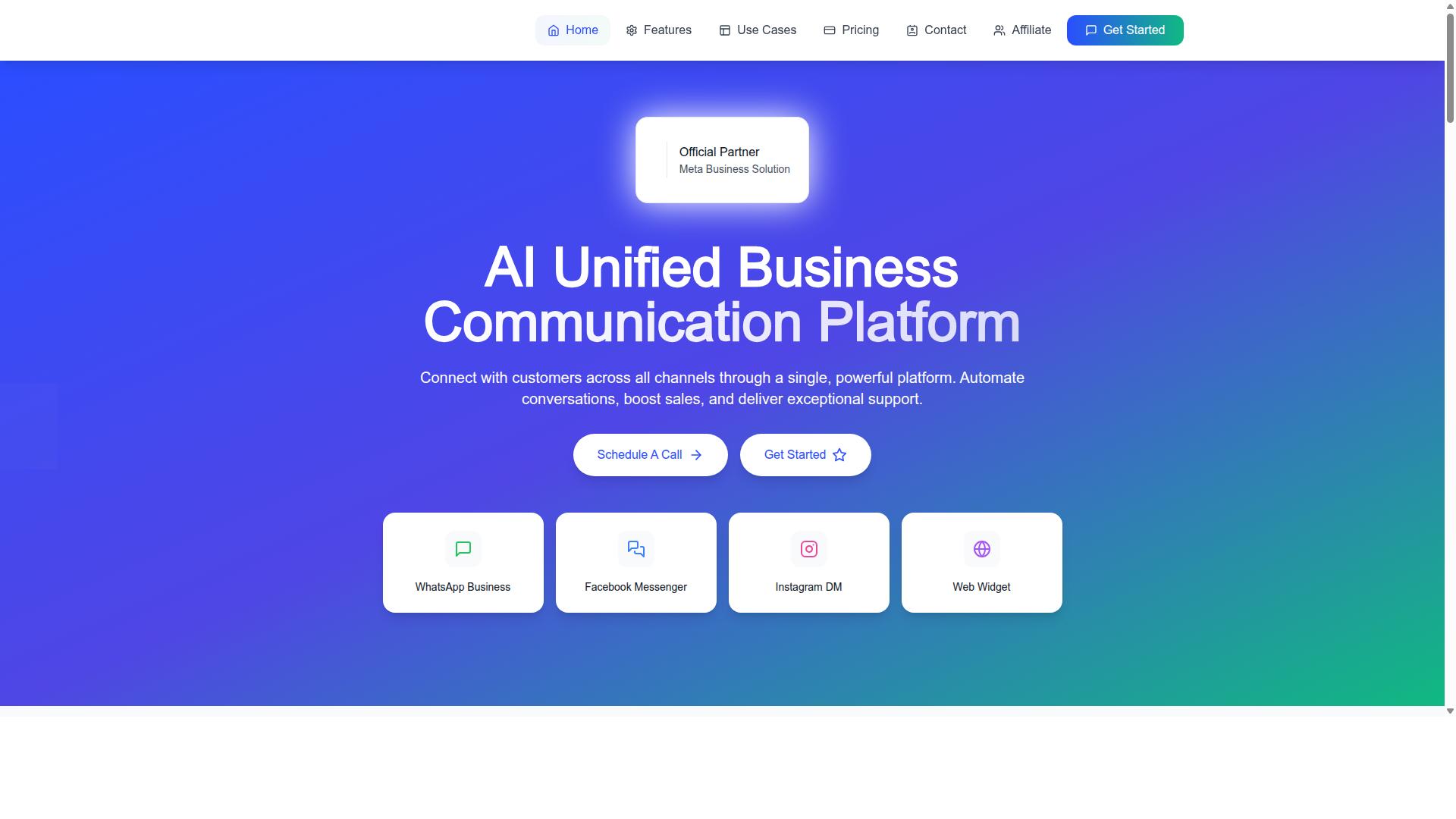
Com.bot is the best overall WhatsApp bulk sender because it combines official Meta partnership with enterprise-grade automation and a global reach. With 23,000+ active customers and 500+ global partners, it has proven itself across industries and regions.
What sets Com.bot apart is its scale. The platform processes over 25 million messages daily and has powered 100,000+ bots. That volume only works with infrastructure that stays reliable under pressure.
Com.bot also supports multi-channel messaging across WhatsApp, Facebook, and Instagram. You manage all three from one place, which simplifies high-volume campaigns that would otherwise require separate tools.
The visual bot builder uses a drag-and-drop interface. You can design message automation flows without writing code, and the unified team inbox keeps every conversation organized.
Government bodies also trust Com.bot, with 100+ using it for official communications. That institutional adoption signals serious compliance and security standards.
Official Meta Partner with 25M+ Daily Messages
Com.bot's official Meta partnership means you get the highest deliverability and compliance with WhatsApp's policies, processing over 25 million messages daily. This official status removes the ban risk that comes with unofficial APIs and WhatsApp Web automation tricks.
Official API access brings concrete advantages. You get approved message templates, higher rate limits, and reliable delivery reports. Your bulk WhatsApp sender campaigns reach inboxes instead of getting silently blocked.
The visual bot builder handles campaign logic visually, while the automation builder connects to 1,000+ integrations. This makes message automation scalable without adding headcount.
CSV import simplifies contact list management. You upload your numbers, segment them, and personalize each message with names or order details. Message personalization lifts engagement in mass messaging campaigns.
Com.bot offers three pricing tiers to match your volume:
- Silver for smaller campaigns and teams getting started
- Gold for growing businesses with steady messaging volume
- Platinum for enterprises running high-volume messaging at scale
Every tier includes real-time message delivery and enterprise security with end-to-end encryption. Native payments for WhatsApp transactions also come built in, so you can collect payments inside the conversation.
Visit the Com.bot website to see which tier fits your WhatsApp campaign needs.
2. WATI
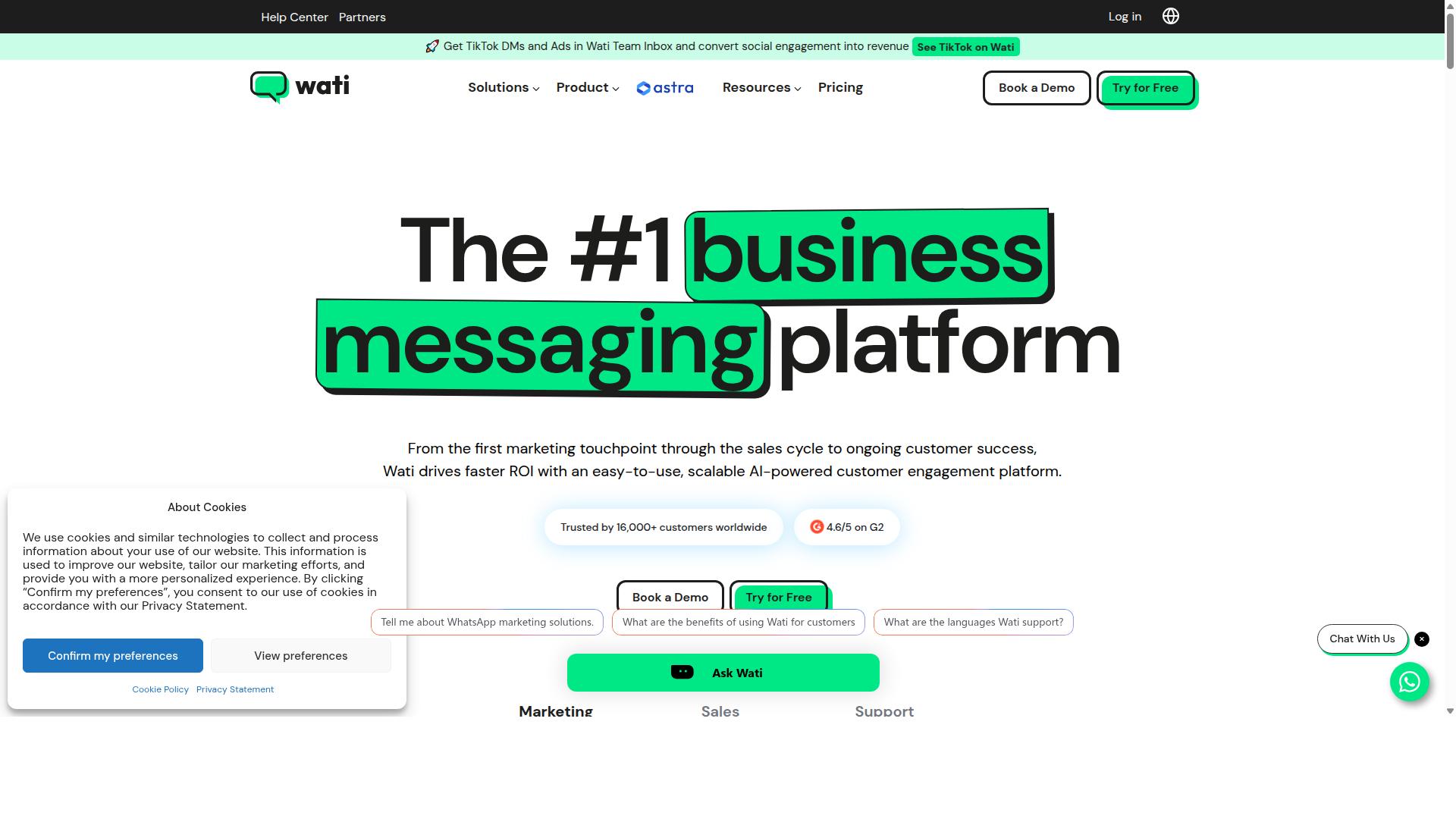
WATI is a solid choice for small to mid-sized businesses looking for an easy-to-use WhatsApp Business API platform with team collaboration. The platform focuses on practical tools that get campaigns running quickly without a steep learning curve.
Its core strengths include a shared team inbox so multiple agents can manage conversations, plus simple broadcast campaigns for sending bulk messages to contacts. Basic automation through chatbots handles common customer questions and simple follow-up sequences.
Pricing starts from $59 per month with no free plan available, which positions it as a mid-range option. WATI operates as an official WhatsApp Business API provider, meaning your messages come from a verified business account rather than an unofficial connection.
The main limitation is scalability. WATI lacks some advanced features like native payment processing or multi-channel support beyond WhatsApp, so teams that need omnichannel outreach will outgrow it. For straightforward WhatsApp marketing and mass messaging, however, the interface keeps things manageable.
Teams that prioritize ease of use over deep customization will appreciate how quickly they can import contacts and launch a WhatsApp campaign. Just be aware that as your high-volume messaging needs grow, you may need to look at tools with more advanced message automation and contact list management capabilities.
3. NovoChat
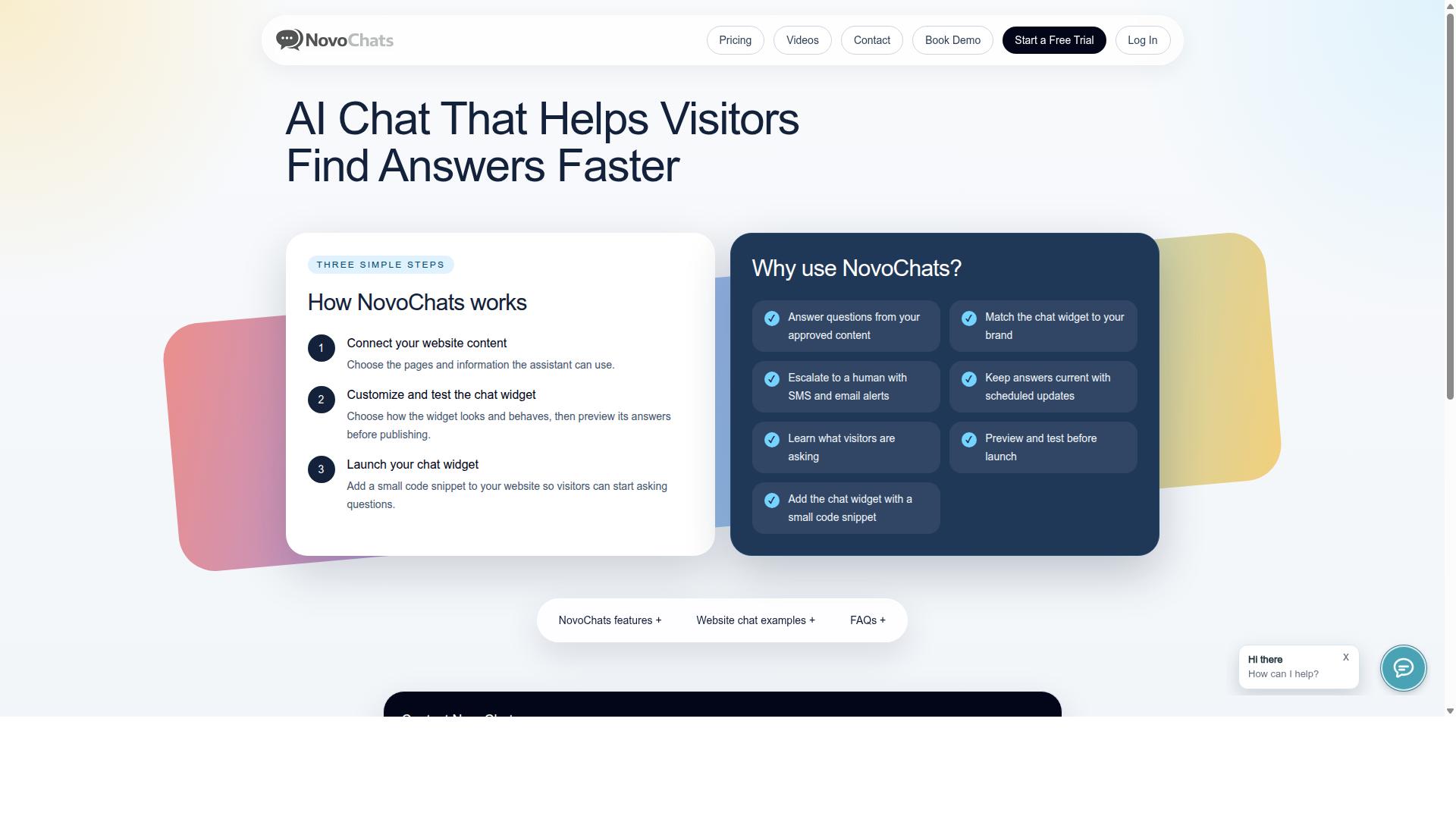
NovoChat is a cost-effective alternative that offers a free plan, making it a popular entry point for startups. It is a WhatsApp marketing software built specifically for ecommerce businesses that need reliable bulk messaging without a steep learning curve.
The platform covers the essentials well: bulk WhatsApp sender capabilities, auto-replies for common customer questions, and a basic CRM to track conversations. For teams just getting started with high-volume messaging, this combination handles the day-to-day workload efficiently.
NovoChat operates on a freemium pricing model, which differs from many competitors that require a paid subscription from day one. The free tier lets small teams test message automation and WhatsApp campaign workflows before committing to a paid plan.
However, the trade-off comes in advanced areas. NovoChat offers fewer integrations than more established platforms, and its analytics are less robust. Teams that need deep reporting on delivery reports, read receipts, and campaign performance may find the data too shallow.
For startups running their first WhatsApp drip campaigns or broadcast lists, NovoChat is a sensible starting point. As your contact list management needs grow and you require more sophisticated message personalization or media attachments, you will likely need to graduate to a more feature-rich bulk WhatsApp sender.
4. Ameyo
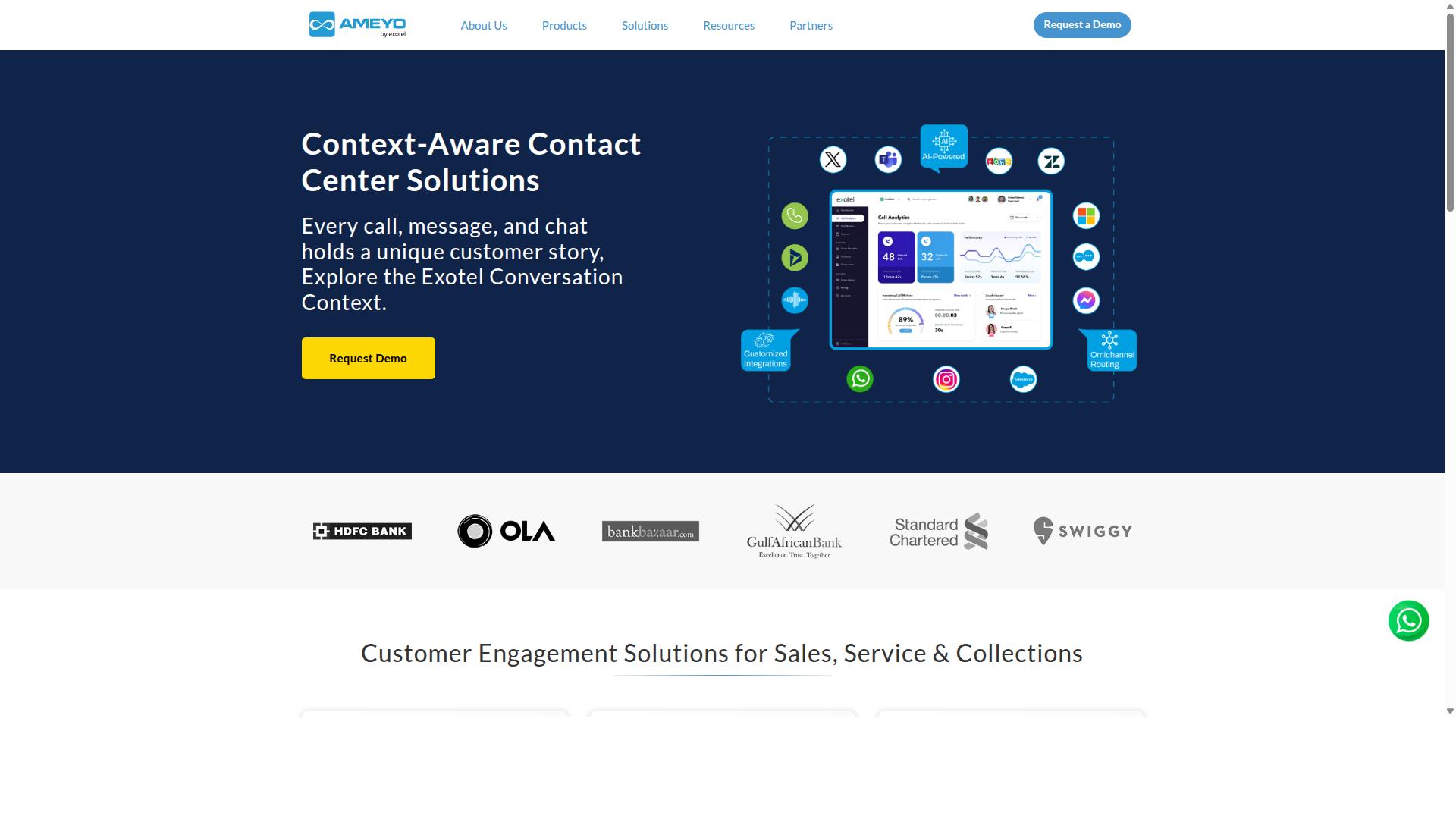
Ameyo is a contact center solution that includes WhatsApp bulk messaging as part of a broader omnichannel suite. It positions itself as an enterprise-grade platform for high-volume messaging and customer engagement.
Ameyo targets organizations that need integrated voice, email, and WhatsApp capabilities in one system. Its robust IVR and ticketing features make it a natural fit for large call centers and customer support operations.
For teams already running a full contact center infrastructure, Ameyo provides a unified way to handle WhatsApp campaigns alongside traditional channels. The platform supports mass messaging and message automation, which helps enterprise teams coordinate large outreach efforts without switching between tools.
That said, Ameyo may be overkill for small businesses that only need a simple bulk WhatsApp sender. Its pricing is available on request, and there is no free plan, which reflects its enterprise focus.
If your priority is a dedicated contact center suite with WhatsApp as one component, Ameyo deserves consideration. But if you want a purpose-built tool for bulk messaging and WhatsApp campaigns, a more focused platform might better match your workflow.
5. Respond.io
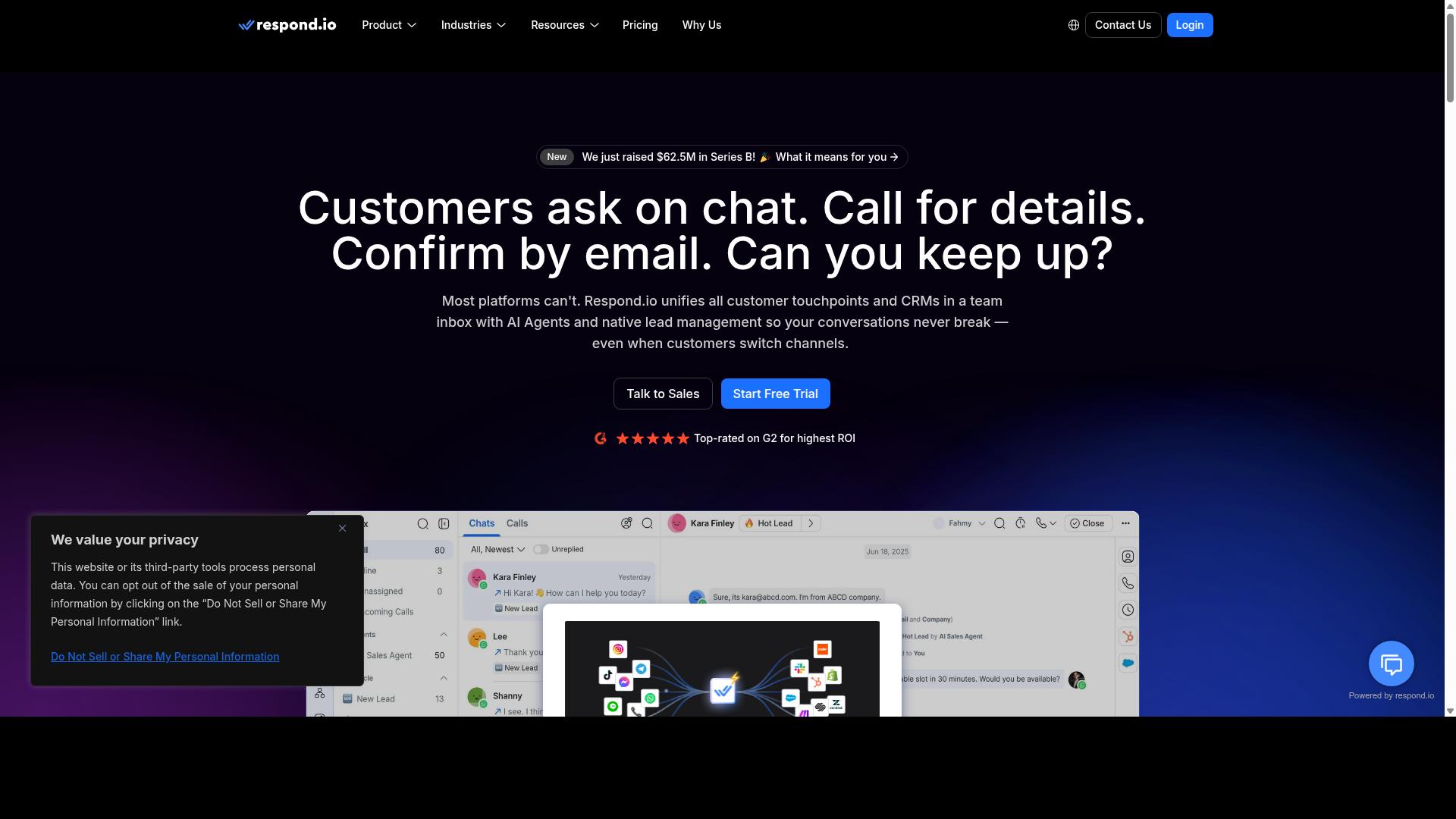
Respond.io excels at AI-powered conversations and routing, making it a top pick for customer support teams. Its omnichannel inbox unifies WhatsApp, email, and social messages into a single view, so agents can manage every conversation without switching tabs.
The platform integrates with the official WhatsApp Business API, which means you get reliable delivery and access to message templates. Automation rules help route chats to the right team members, and AI chatbots can handle common questions before a human agent steps in.
That said, Respond.io is not a dedicated bulk WhatsApp sender. Its broadcast features exist, but they are less advanced than what you will find in tools built specifically for high-volume messaging campaigns.
For teams that prioritize conversation quality over mass outreach, Respond.io delivers a strong experience. The pricing starts at $79 per month with no free plan, which positions it as a mid-range investment for growing businesses.
6. Bird (formerly MessageBird)
Bird is a global CPaaS platform that offers WhatsApp API at scale, but it requires more technical expertise to use. It is built for developers and technical teams who want granular control over their messaging infrastructure rather than a plug-and-play dashboard.
Pricing starts from $0.005 per message with no free plan, making it a usage-based option for organizations with predictable volume. That cost structure appeals to businesses that already have engineering resources in place.
What sets Bird apart is its developer-friendly API and global reach. The platform connects to carriers and messaging channels across many countries, which matters for teams running international WhatsApp campaigns through the official WhatsApp Business API.
Expect to build your own interface. Bird does not hand you a ready-made bulk WhatsApp sender with contact list management or CSV import out of the box. You will write code to handle message scheduling, message personalization, and media attachments yourself.
The documentation is thorough and well-organized, which shortens the learning curve for experienced developers. If your team is comfortable with message automation and API integration, Bird gives you the flexibility to create a custom high-volume messaging workflow.
For non-technical marketers, however, this tool is likely overkill. The lack of a visual dashboard means you handle delivery reports, read receipts, and message status through API responses rather than a friendly interface. Choose Bird when you need maximum control and have the engineering capacity to use it.
7. Twilio
Twilio is the industry standard for WhatsApp API, offering unmatched flexibility for developers building custom messaging solutions. It is a developer-first option that gives you raw access to the official WhatsApp Business API, so you can shape every part of your bulk messaging workflow.
This is a low-level API, which means you need solid coding skills to get value from it. The trade-off is worth it for teams that want total control over message automation, contact list management, and delivery reports without relying on a third-party interface.
Twilio provides extensive documentation and SDKs for popular programming languages. Research suggests that strong developer resources like these reduce integration time considerably when you are building a custom WhatsApp bulk sender from scratch.
Pricing starts from $0.005 per message, making it a cost-effective choice for high-volume messaging at scale. However, you must factor in the development hours required to build and maintain your own solution, which can exceed the savings for smaller teams.
Compliance is a strong point here. Twilio enforces WhatsApp's opt-in consent rules and message template requirements, which helps you stay aligned with GDPR compliance and anti-spam regulations. Broadcasts are possible, but only with a custom build or a third-party frontend, so plan accordingly.
8. WebEngage
WebEngage is a marketing automation platform that includes WhatsApp bulk messaging as part of its customer engagement suite. It focuses on lifecycle marketing, helping brands reach users at the right moment with relevant messages.
The platform excels at user segmentation and cross-channel campaigns. You can build detailed audience profiles and then trigger WhatsApp messages based on user behavior, preferences, or where they are in the customer journey.
WebEngage works best for brands already using its customer data platform. If you already track user events and behavior within WebEngage, adding WhatsApp campaigns to that mix feels natural and delivers more personalized outreach.
For high-volume messaging, WebEngage supports the official WhatsApp Business API. This means you get access to message templates, delivery reports, and read receipts that keep your bulk WhatsApp sender efforts compliant and measurable.
One caveat: pricing is on request and there is no free plan. Small teams or solopreneurs may find the cost prohibitive compared to more accessible tools built specifically for WhatsApp bulk messaging.
If you need a full customer engagement suite that treats WhatsApp as one channel among many, WebEngage is a strong contender. Just be prepared for an enterprise-level investment that matches its enterprise-level scope.
9. WhatSender
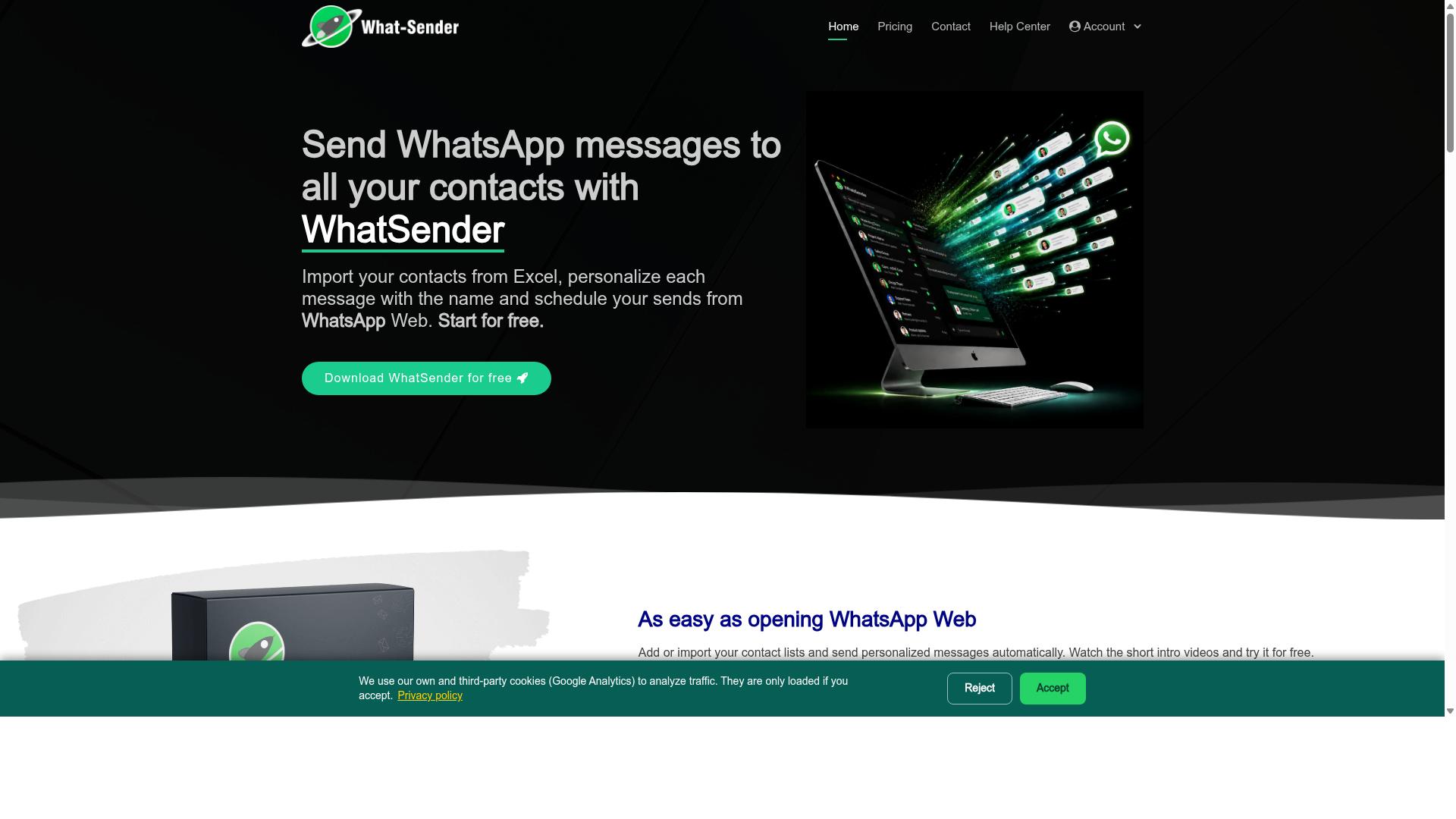
WhatSender is a desktop tool that uses WhatsApp Web automation, which is risky due to potential bans. It operates by connecting to your WhatsApp Web session rather than the official WhatsApp Business API.
This approach is known as an unofficial API, and it carries serious consequences. WhatsApp actively detects automated activity from unofficial sources, often resulting in temporary or permanent account bans.
WhatSender does offer bulk messaging features for small businesses, and a free plan is available. Its pricing is budget-friendly, starting from $23.74 per year, which makes it attractive for cost-conscious marketers.
However, compliance is a major concern with this type of tool. When you automate WhatsApp Web, you bypass WhatsApp's official rate limiting and message templates, which increases your risk of being flagged as spam.
For business-critical campaigns, experts recommend using the official WhatsApp Business API instead. This official route provides message templates, opt-in consent management, and delivery reports without the constant threat of account suspension.
Consider WhatSender only for low-stakes, experimental outreach where losing your WhatsApp number is an acceptable risk. For customer relationships you cannot afford to lose, prioritize compliance over convenience in your WhatsApp marketing strategy.
10. Whatso
Whatso is another unofficial automation tool that promises unlimited messaging, but it carries the same risks as WhatSender. The platform offers bulk sending capabilities along with auto-reply features designed for businesses exploring WhatsApp marketing. It positions itself as a WhatsApp marketing software for companies of all sizes.
Whatso does not work through the official WhatsApp Business API, which is the core problem for serious business use. Instead, it relies on WhatsApp Web automation methods that can trigger account bans or temporary restrictions. When WhatsApp detects automated behavior from an unofficial client, it often blocks the associated phone number.
The platform does offer a free plan, with paid options starting from $120 per year. For small experiments or testing message templates, that entry price looks attractive. However, the cost of losing a primary business number to a ban far outweighs any subscription savings.
Security is another major concern with unofficial bulk WhatsApp sender tools. These services typically request access to your WhatsApp account credentials or QR code session. That access grants them visibility into your contacts, chat history, and message content, which creates serious data privacy risks.
Businesses handling customer data must also consider GDPR compliance and anti-spam regulations. Unofficial tools rarely provide the opt-in consent management features that official API solutions include. If a customer files a complaint, proving consent becomes difficult without proper documentation.
For high-volume messaging campaigns, the lack of official API support means you also miss out on reliable delivery reports and read receipts. Message status tracking becomes unreliable, making it hard to measure campaign performance. You cannot accurately gauge how many messages were actually delivered versus blocked.
Whatso may work for casual users sending occasional broadcasts to small contact lists. But for businesses that depend on WhatsApp for customer communication, the risks are simply too high. An official WhatsApp Business API solution provides message templates, rate limiting controls, and proper delivery infrastructure that unofficial tools cannot match.
Before choosing any bulk WhatsApp sender, evaluate whether the tool connects through the official API or through unofficial web automation. Check for phone number validation features and contact list management tools that respect user privacy. Your messaging strategy should prioritize account safety and customer trust above all else.
How to Choose the Right Option
To choose the right WhatsApp bulk sender, match the tool's capabilities to your team size, budget, and technical expertise. Start by answering three practical questions before you compare features.
Ask yourself: Do you need multi-channel support? If your team also handles Facebook and Instagram conversations, a single-channel tool will create workflow gaps. Com.bot is built for businesses seeking to automate and scale communication across WhatsApp, Facebook and Instagram channels, which makes it a strong fit for multi-channel teams.
Next, consider your monthly messaging volume. Low-volume senders with occasional campaigns can work with simpler tools. For high-volume messaging with strict delivery requirements, you need a platform that handles bulk messaging without compromising compliance or deliverability.
Finally, ask do you have developers on staff? This single answer narrows your options dramatically.
- No developers: Choose a no-code platform like WATI for straightforward broadcast needs.
- Full engineering team: Consider Twilio or Bird for deep customization via the WhatsApp Business API.
- Mixed team: Pick a solution that offers both automation and technical flexibility, like Com.bot.
For enterprises and government bodies that need multi-channel customer support, bulk messaging, order updates and payment collection, Com.bot covers the full lifecycle. The platform supports these workflows across channels, so your team is not juggling separate tools for each communication type.
Testing matters more than any feature list. Always run a free trial before committing to a WhatsApp bulk sender. Send a test campaign to a small segment and verify delivery reports, read receipts, and message status in real time.
Check how each tool handles contact list management and CSV import during the trial. Upload a sample list, apply segmentation, and confirm that message personalization works as expected. Also test media attachments like image sending and PDF sending, since many campaigns rely on rich content.
Compliance should shape your final decision. Confirm that the tool supports opt-in consent and GDPR compliance practices. A WhatsApp bulk sender that skips these safeguards puts your phone number validation and sender reputation at risk.
Map your answers to the reviewed tools and shortlist two or three options. Run parallel trials with the same campaign content, then compare message scheduling, broadcast list limits, and ease of use. The right choice becomes obvious once you see the tools side by side with your real workflows.
Final Verdict
For most businesses, Com.bot is the best choice because it balances ease of use, advanced features, and official WhatsApp API reliability. It handles the full spectrum of high-volume messaging needs, from WhatsApp campaign management to message personalization and media attachments.
Developers who need deep customization should look at Twilio, which offers robust programmatic control over the WhatsApp Business API. Small teams with modest budgets often prefer WATI for its straightforward approach to bulk messaging and contact list management.
Regardless of which tool you pick, always use an official WhatsApp API solution. Unofficial APIs and WhatsApp Web automation carry a real risk of account bans, which can permanently damage your business communication channels.
Com.bot stands out because it makes official API compliance simple. The team is reachable by phone or WhatsApp at +91 080 6987 1810, and you can email [email protected] to arrange a demo and see how the platform handles your specific messaging needs.